Fuel Prices in Ukraine on the Edge of Fluctuations What Is Happening to Gasoline Diesel and LPG
The Ukrainian fuel market is once again entering a zone of nervous balance. On one side, global oil prices are rising, on the other, the hryvnia is weakening, and in between stands the domestic market, which is still living in a mode of restrained demand. It is precisely the combination of these factors that creates the sense of instability now felt by traders and fuel station networks alike. At the end of last week, global oil quotations moved upward. Brent futures rose to $63.34 per barrel, adding $1.35 or 2.18%, while WTI climbed to $59.12 per barrel, which means +2.35%. This is not explosive growth, but it is enough for the market to start pricing risks into future contracts. There are several reasons for this movement, and all of them are well known to energy markets:
- escalation of security risks due to Russia’s war against Ukraine and renewed massive attacks;
- US actions against Russian oil exports, including the seizure of two tankers;
- concerns about oil supplies from Iran amid sanctions and internal instability.
At the same time, it is crucial to understand the main point: the oil market remains oversupplied, and it is precisely this factor that restrains prices from a sharp and prolonged surge. In other words, we are dealing more with heightened volatility than with a new oil crisis.
For Ukraine, a much more sensitive factor is the exchange rate. According to the National Bank of Ukraine, the dollar rose to 43.00 UAH, while the euro reached 50.20 UAH. This is critical, because fuel imports are paid for in dollars, while excise taxes at the border are paid in euros. Even with stable global prices, a weaker hryvnia automatically puts pressure on fuel costs. The situation in the wholesale segment currently looks contradictory, yet revealing. The average wholesale price of diesel as of January 9 is 47.83 UAH per liter, which is 20 kopecks lower than at the beginning of the month. At the same time, on January 8–9 alone, wholesale diesel rose by 7 kopecks, signaling a shift in market sentiment.
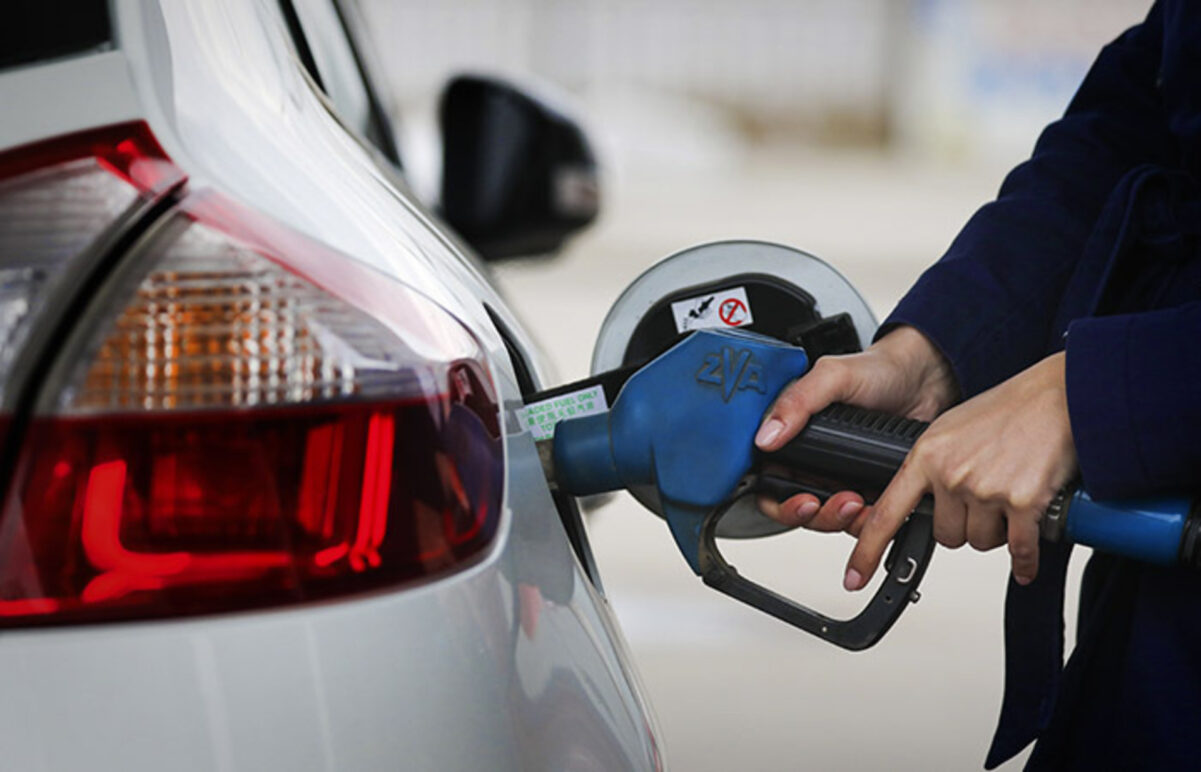
Gasoline is behaving in a similar way. A-95 in wholesale rose to 50.40 UAH per liter, adding 16 kopecks over the week, and on certain days up to 28 kopecks. European gasoline quotations also moved upward: in ports of Northwestern Europe prices increased to $608–631 per ton, and in the Mediterranean to $623–636 per ton. In the retail segment, relative calm still prevails. The average price of A-95 stands at 59.21 UAH per liter, diesel at 58.92 UAH per liter. Some networks have already gone for targeted increases: +0.50 UAH per liter in some cases, +1 UAH per liter for autogas in others, but there has been no mass price revision yet.
The reason is simple and somewhat cynical: demand remains weak, and networks are reluctant to shift all risks onto consumers. This means shrinking margins, but it allows them to retain customers. That is why forecasts sound cautious. The founder of the Prime group of companies, Dmytro Liushkin, states directly:
“In one or two weeks, diesel fuel may rise by 3 UAH per liter. At the initial stages, this will reduce the margins of fuel station networks. The question is whether networks will go for price increases under conditions of low demand.”
A separate story is autogas. In wholesale, it continued to get cheaper: the average price with delivery is 61,196 UAH per ton, for self-pickup 59,269 UAH per ton. This is the result of aggressive price cuts by several major traders and a reduction in imports. During the first week of the year, average daily LPG imports fell almost fourfold. However, the potential for further declines has already been exhausted. Prices have approached the cost level of imports, and any further downward movement becomes economically unprofitable. At fuel stations this is already visible: the average price of autogas rose to 37.89 UAH per liter, adding 34 kopecks over the week. Experts expect stabilization, rather than a sharp rise, at least in the short term.
Post List




Time for Action has carefully analyzed all confirmed figures and market signals, and the overall conclusion is this: the Ukrainian fuel market has entered a waiting phase. Risks of price increases exist, but they are not inevitable. Everything will depend on three key factors:
- the dynamics of global oil quotations;
- the exchange rate of the hryvnia;
- the willingness of fuel station networks to sacrifice margins in order to maintain demand.
For now, this is not a crisis, but a delicate balance, in which any sharp move whether on the currency market or at the front could become a catalyst for change. For consumers, this means one thing: follow the situation closely, but do not expect an immediate price shock.
About the Author

Related posts:
 Oil and Fuel Market in Ukraine: Geopolitical Pressure, New Risks, and Consumer Prices
  Fuel Prices in Ukraine: Why They Are Rising, What to Expect
  Why Fuel Prices in Ukraine Remain Stable Despite Drone Attacks, Sanctions, and Seasonal Risks
  The Ukrainian Fuel Market: Price Stability Amid Global Fluctuations and New Logistics Challenges