No Reconstruction Tax Planned: What the Ministry Actually Said and How Ukraine’s Recovery Will Be Financed
Time for Action analyzed the public statements of the Ministry for Communities and Territories Development of Ukraine and the government’s communication regarding possible sources of financing the country’s reconstruction. After media reports appeared about an alleged preparation of a reconstruction tax, the ministry publicly stated: there is no development or plan to introduce such a tax.
The Ministry for Communities and Territories Development emphasized that the information circulated resulted from an incorrect interpretation of a public discussion about reconstruction financing. The state’s position remains unchanged: the taxes that citizens currently pay are primarily directed to Ukraine’s defense and security, and the introduction of additional tax pressure on people for reconstruction is not being considered at this time.
A key principle of government policy, as stated by the Ministry, is the responsibility of the aggressor. Officials state directly: Russia, as the aggressor state, must primarily pay for destroyed cities and communities, not Ukrainian society, which is already bearing an excessive financial and social burden because of the war.
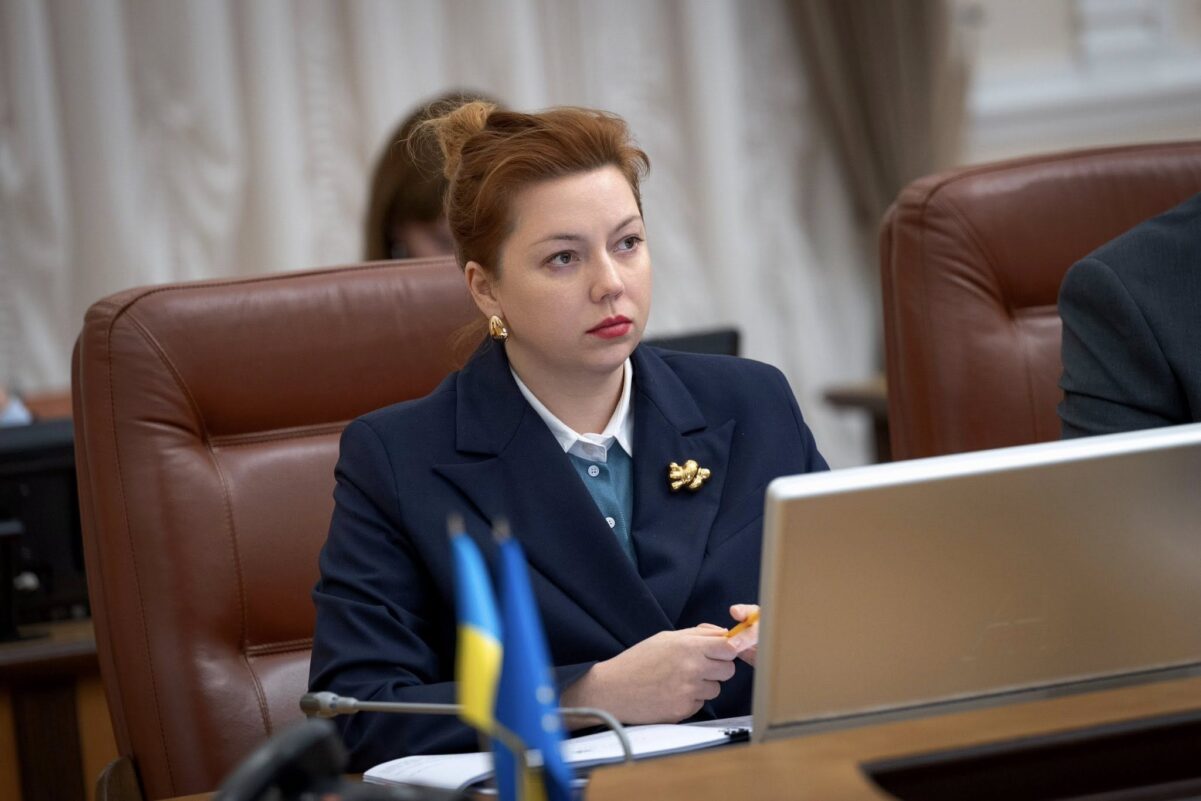
The reason for the public resonance was the words of Deputy Minister for Communities and Territories Development Alona Shkrum, spoken in a conversation with the Ukrainian edition of Forbes Ukraine. She spoke about the need to create a separate Reconstruction Fund as an institutional mechanism that would allow Ukraine to work more effectively with financing under wartime conditions.
“We are working on a separate reconstruction fund,” Shkrum noted, explaining that this is a forced step because no international bank in the world was created to rebuild a country during a war. According to her, most international financial institutions have lengthy bureaucratic procedures and high requirements for state guarantees, while Ukraine needs funds immediately.
She separately drew attention to the structure of international assistance that the country currently receives. “Grants make up about 5–10%. And this is a problem, because loans will have to be repaid by our children. This is wrong,” the deputy minister emphasized. According to her, it is precisely this circumstance that forces the government to look for other models of resource accumulation that would not create long-term debt pressure.
In the same context, Shkrum mentioned international experience, in particular the example of Japan, where special financial mechanisms were used after the war. At the same time, she clearly outlined the boundaries for Ukraine: there will be no separate tax until the end of the war. After a wave of publications, she further explained her position, stressing that her words had been interpreted incorrectly.
“In the interview, I gave an example that some countries introduced a special tax for this. But I also said that this is not our option. Logic, common sense, and the basic principle of fairness speak to this. We are working to attract as much grant and concessional financing as possible now, until the opportunity for reparations appears. And it will definitely appear,” Alona Shkrum emphasized.
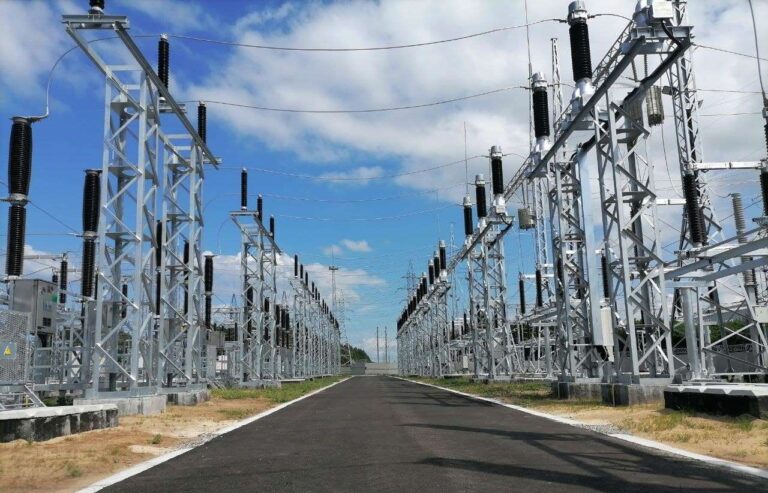
The context of this discussion is defined by the scale of destruction. According to estimates by the Government of Ukraine and the World Bank, the total need for reconstruction and recovery of the country amounts to 524 billion dollars. The greatest losses were suffered by frontline regions about 82% of all documented damage. In 2025 alone, the number of damaged and destroyed energy facilities increased by approximately 70%, further complicating economic stability.



The government, together with the World Bank Group, the European Commission, and the UN, is already working on a new assessment of damage and needs RDNA5, the final results of which are expected in February 2026. For the first time, alongside the classical recording of damage, a preliminary assessment of the comprehensive recovery of settlements is also planned, which should provide a more realistic picture of future needs.
The Ministry for Communities and Territories Development stresses that the discussion is not about taxes, but about creating a mechanism that will allow the accumulation of international contributions, grants, and concessional resources, ensure transparency and accountability, and prepare an institutional foundation for future reparations processes.
The expanded conclusion of Time for Action is that the story of the “reconstruction tax” is an example of society’s information vulnerability during wartime. Any mention of taxes is automatically perceived as a threat, even when it concerns theoretical or historical examples. At the same time, the facts show: the state is not preparing a new tax, but is trying to build a financial architecture for recovery that will not shift responsibility for the war onto citizens’ shoulders. The key choice the government is making today is focusing on international support, grants, concessional loans, and the future responsibility of Russia. It is precisely the ability to maintain this course that will determine whether postwar reconstruction becomes a tool for restoring the country rather than a source of new social inequality.
About the Author

Related posts:
 5G as a reconstruction backbone: why Ukraine is piloting in Lviv, Kharkiv and Borodianka
  State Budget-2026: The Main Financial Document of the War
  Housing Reconstruction in Kyiv: Between Official Figures and Long Queues for Assistance
  The Shadow Tobacco Market: Why the State Loses Billions and How to Bring Them Back into the Budget During Wartime