Energy Generation in Ukraine: Solar Panel Imports and the Growth of Autonomous Solutions in 2025
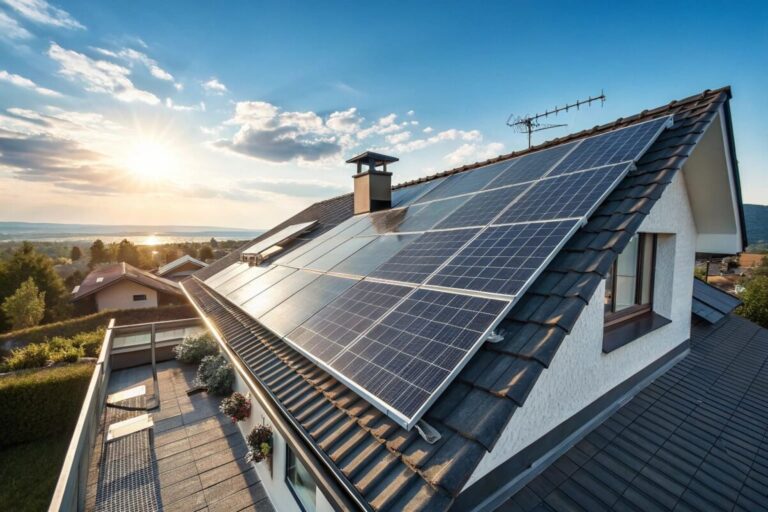
From January to September 2025, Ukraine increased its import of solar panels by 2.3 times to 2.053 GW compared to the same period in 2024. According to Atmosfera’s marketing director, Tymur Yakymenko, the market has shifted from panic buying during blackout periods to rational, economically calculated investments. The base level of demand in the segment of private households and businesses is significantly higher than before the full-scale invasion, and companies now include solar power plants and storage systems in annual budgets and investment programs.
At the same time, electricity tariffs have tripled in three years, reducing the average payback period of home stations to 4–5 years, and for business projects to 2–3 years. This has given additional impetus to market growth. As Yakymenko emphasizes, “the nature of requests has changed: if in 2022–2023 clients came ‘against the background of blackouts,’ now it’s with a clear economic calculation and a demand for comprehensive engineering, service, and financing support.”
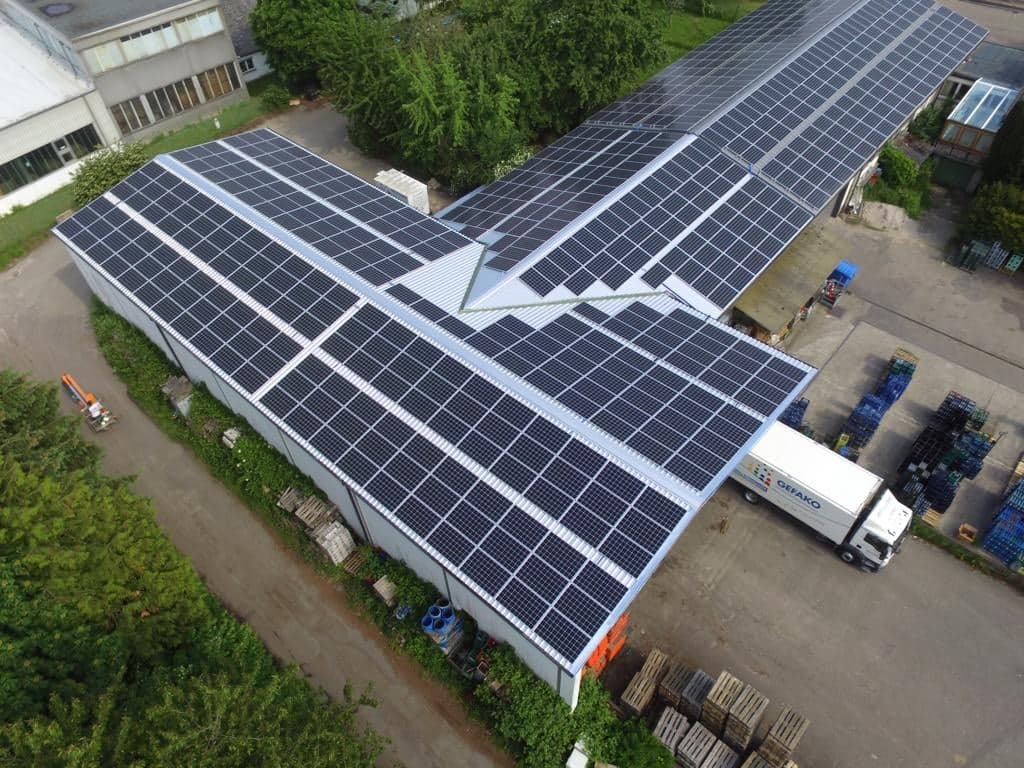
The market has evolved: in 2025, demand is shifting from classic grid-connected solar power plants to hybrid solutions ‘solar power plant + storage system.’ In three quarters of 2025, Ukraine imported 957 MWh of storage almost one and a half times more than last year. This trend is also confirmed by the head of the Solar Energy Association of Ukraine, Vladyslav Sokolovskyi: in January–July 2025, 700 MW of solar power plants were built (including home stations), and by the end of the year, the association predicts 1.7 GW. That’s nearly twice as much as was built in all of 2024.
“This year we are seeing a revival in the construction of industrial solar power plants from 10 MW. Both specialized investors and new players are involved. Businesses that have installed solar plants on their own assets have decided to develop a new market,” emphasizes Sokolovskyi.
The blackouts of 2024 became a turning point for many companies. Businesses are actively investing in their own generation not only in solar stations, but also gas piston cogeneration units and diesel generators. At the same time, the lion’s share of new generation is used for self-sufficiency and not connected to the national grid, which complicates forecasting and balancing demand at the national level.
Another trend is the digitalization of infrastructure: the mass implementation of smart meters, consumption management platforms, transition to active consumer models (net billing, automated load management). This allows businesses to save through flexible use of energy resources and quickly respond to price and load changes throughout the day.
According to market participants, since the start of the war, Ukrainian companies have already introduced or plan to introduce 1.06 GW of generating capacity in the coming years, with total investments (completed and planned) amounting to 28.9 billion UAH.
In Chortkiv (Ternopil region), three solar power plants with a total capacity of 340 kW were opened to power the city’s water supply systems a joint project of local authorities and international partners. The autumn wave of power outages has brought back demand for generators, inverters, alternative heating, and backup internet what was once seen as a “bonus” is now a necessity for both homes and businesses.
This has created a new market rental housing with backup power and heating. In Sumy, the number of listings for apartments with backup power increased by 240%, in Chernihiv by 142%, in Lutsk by 100%, in Zhytomyr and Dnipro by 41%, and in Kyiv by 27%. Mykolaiv, Khmelnytskyi, and Poltava also showed positive, albeit smaller, growth. The supply of autonomous housing is rising even in cities that have not experienced heavy shelling: demand is being driven by internal migration and changing tenant expectations.



Prices for such housing have changed too: in Mykolaiv, the rental price for apartments with backup power grew by 180%, in Ternopil by 80%, in Zaporizhzhia by 46%, in Kharkiv by 25%. The segment of autonomous heating especially increased in Sumy (+114%), Lutsk (+72%), Dnipro (+40%), Chernihiv (+32%), Kyiv (+29%).
The leaders by the number of listings remain large cities: Kyiv (3,600 listings for housing with backup power and 9,200 for autonomous heating), Odesa, Dnipro, Lviv, Kharkiv, Zaporizhzhia, and Vinnytsia.
Ukraine’s solar energy market in 2025 shows steady growth in demand and investment, both in business and private household segments. After the blackouts, the focus has shifted from emergency solutions to a strategy of sustainable development and comprehensive energy independence. Meanwhile, the real estate market is quickly adapting to new tenant expectations: “autonomous housing” has become a trend, prices for such apartments are rising, and demand is not limited to regions with the highest risks. In both segments, the importance of digital technologies, hybrid solutions, and integration with the energy system is increasing. In the long term, these trends form the foundation for a more resilient and dynamic energy and housing infrastructure in Ukraine.
About the Author

Related posts:
 The New Energy Landscape of Ukraine: Small-Scale Generation, Challenges and Development Strategy
  Ukraine’s Retail and E-commerce Market in 2025: Key Trends, Market Leaders, and Challenges
  Power Outages in Autumn 2025: How the Energy Sector Changes Under the Pressure of Attacks
  Heating Season 2025/2026: Is Ukraine Ready for New Energy Challenges?