Updated Vaccination Calendar in Ukraine: Which Vaccines Will Become Mandatory in 2026 and What Will Change for Children and Adults
Time for Action has analyzed the key changes that will come into force on January 1, 2026, with the introduction of the updated Preventive Vaccination Calendar. This document will become the main guide for medical professionals and parents, defining the list of mandatory vaccinations, the schedule for administering vaccines, and new approaches to protection against infections.
According to the decision of the Ministry of Health, the Vaccination Calendar from 2026 will cover 11 main infectious diseases. In addition to the mandatory vaccinations already familiar to Ukrainians against tuberculosis, hepatitis B, measles, mumps, rubella, polio, diphtheria, tetanus, pertussis, and Hib infection a new requirement has been introduced: mandatory vaccination of girls aged 12–13 against human papillomavirus (HPV). The Ministry of Health emphasizes that the introduction of free one-time HPV vaccination is an important step towards modern standards of prevention: “A nine-valent vaccine the latest available preparation has already been purchased for the campaign.”
Another important focus of the reform is the expanded use of combined vaccines, which allow simultaneous protection against several infections and reduce the number of visits to the doctor. The new vaccination schedule for hepatitis B now includes 2, 4, 6, and 18 months of a child’s life, making it possible to use modern combination vaccines (DTaP+Hib+HBV). Thus, the vaccination process will become simpler and more convenient for parents and children.
The change in the schedule for vaccination against measles, mumps, and rubella is especially noteworthy. If previously the second dose of this vaccine was given at age 6, now it will be administered at age 4. The Ministry of Health explains this decision by the need to protect children from complications at an earlier age: “Vaccinations will be administered at 1 and 4 years instead of the current schedule of 1 and 6 years. This will provide protection for children at an earlier age and reduce the risks of severe disease.”
From 2026, Ukraine is also introducing a complete transition to inactivated polio vaccine (IPV). This decision aligns with current international immunization approaches and aims to strengthen children’s protection against polio.
As for BCG vaccination, the tuberculosis shot is now planned to be given 24 hours after birth. If an infant up to 7 months has no confirmed contact with a tuberculosis patient, the vaccination will be carried out without prior tests.
The Ministry of Health emphasizes that all these changes are aimed at making vaccination more modern, convenient, and aligned with international recommendations: “The changes will take effect on January 1, 2026. Family doctors will help adapt individual vaccination plans taking the changes into account. Follow updates on the official resources of the Ministry of Health.”
The situation with other vaccines, including rabies vaccine, remains relevant. In November 2025, Ukraine received the first batch of 26,000 doses from the WHO, and more than 60,000 doses have been purchased with state funds. According to the Public Health Center of the Ministry of Health, the need for rabies vaccines is growing exponentially “in the last three years, monthly consumption has increased almost sixfold from about 3,500 doses in 2022 to 18,000 in September 2025.”
The situation with measles in Ukraine remains tense. As of September 2025, 1,446 cases were registered almost seven times more than the previous year. The Ministry of Health, together with the Public Health Center, is responding to the increase in incidence by launching mobile teams that travel to the most remote communities in Lviv, Zakarpattia, Ivano-Frankivsk, Odesa, Vinnytsia, Chernivtsi, and Khmelnytskyi regions to vaccinate children. The agency emphasizes: “Vaccination against measles is included in the national Preventive Vaccination Calendar and is completely free of charge. According to the Public Health Center, in 2024, 83% of children received both necessary doses, whereas at least 95% is needed for collective protection.”
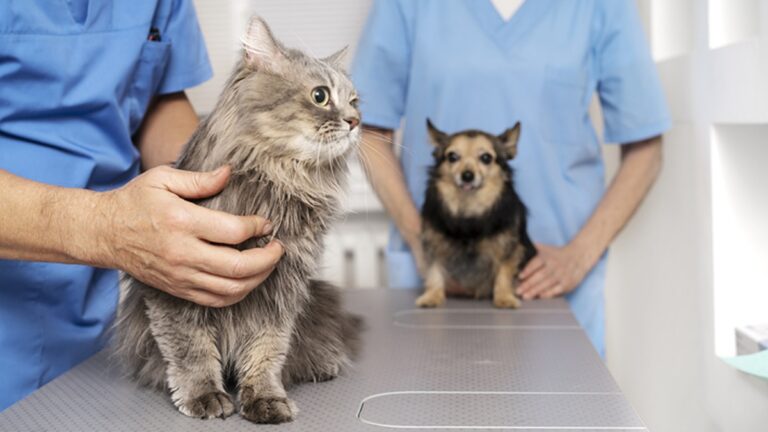
As for the specifics of the course and prevention of diseases, the Ministry of Health advises parents and all citizens: in case of an animal bite or saliva on the skin, immediately wash the wound, apply a clean dressing, and contact a Rabies Assistance Center. It is also important: “even getting animal saliva on broken skin is grounds for starting preventive treatment.”
Post List



Time for Action emphasizes: the updated Vaccination Calendar is not just new schedules or timing. It is the basis for forming collective immunity, a tool for protecting against severe infections, and increasing trust in the health care system. The introduction of one-time HPV vaccination, modernization of schedules for hepatitis B, measles, and polio, and the transition to combination vaccines all these steps correspond to the best international practices and significantly change the approach to prevention in Ukraine.
At the same time, it is important that these changes are implemented in cooperation with parents, educators, doctors, and local communities, and that information about vaccination remains open and accessible to everyone. The issue is not only how many children receive vaccines, but also how effective the disease prevention system as a whole will become. Ukraine gets the chance to create a more resilient immune system for society but only if every participant in this process realizes their role and responsibility.
About the Author

Related posts:
 School Vaccination Rules: Why Unvaccinated Children May Be Temporarily Barred from Class in Ukraine
  Vaccination and Education: What Ukraine’s New Draft Law Means for Parents and Schools
  Social Benefits for Families with Children: What Changes Starting from 2026
  Monthly Reporting for Ukrainian Sole Proprietors: Why the Reform Failed and What Will Change in 2026