Electric Cars and Radiation: What the ADAC Study Shows and Why Fears Are Unfounded
The public debate about the dangers of electric cars regularly flares up on social networks and forums. One often encounters claims that modern electric cars supposedly pose a hidden radiation threat to drivers and passengers. Such ideas are promoted by skeptics and those who distrust new technologies. However, none of these assumptions have any real evidence.
The German automobile club ADAC together with the Federal Office for Radiation Protection conducted a comprehensive study to check the level of electromagnetic radiation in electric vehicles.
Experts measured electromagnetic radiation in 11 different electric car models under real operating conditions, as close as possible to everyday use. The tests were conducted with mannequins equipped with ten sensors. They moved between different seats during real trips and while charging the car. The task was simple yet important to assess the behavior of magnetic fields during acceleration, braking, electronic system operation, and when connecting to the grid.
“ADAC together with the Federal Office for Radiation Protection conducted a comprehensive study to check the impact of electromagnetic fields on drivers and passengers.”
Measurement Results: Facts Instead of Fears
During the tests, the sensors recorded short spikes of the magnetic field, especially during sharp acceleration or operation of power systems. However, such peaks are typical for any high-voltage equipment and remained much lower than levels considered potentially dangerous.
“The level of electromagnetic exposure in the cabin of electric vehicles is very low so much so that the cars not only do not pose a threat, but sometimes even turn out to be ‘cleaner’ than vehicles with internal combustion engines.”
To avoid simplification, the study included not only electric cars but also hybrids and one gasoline model. This allowed researchers to see real differences between different types of vehicles.
An important finding concerns the sources of radiation peaks. “One of the most powerful sources of electromagnetic fluctuations is not related to the batteries or the electric motor. The highest values were recorded during seat heating. This applies not only to electric vehicles but also to hybrids and even cars with internal combustion engines, and even these peaks remained within completely safe limits.”
So, even during maximum electronic load for example, when the seat heating is on all indicators remain within the safety standards of international and European regulations.
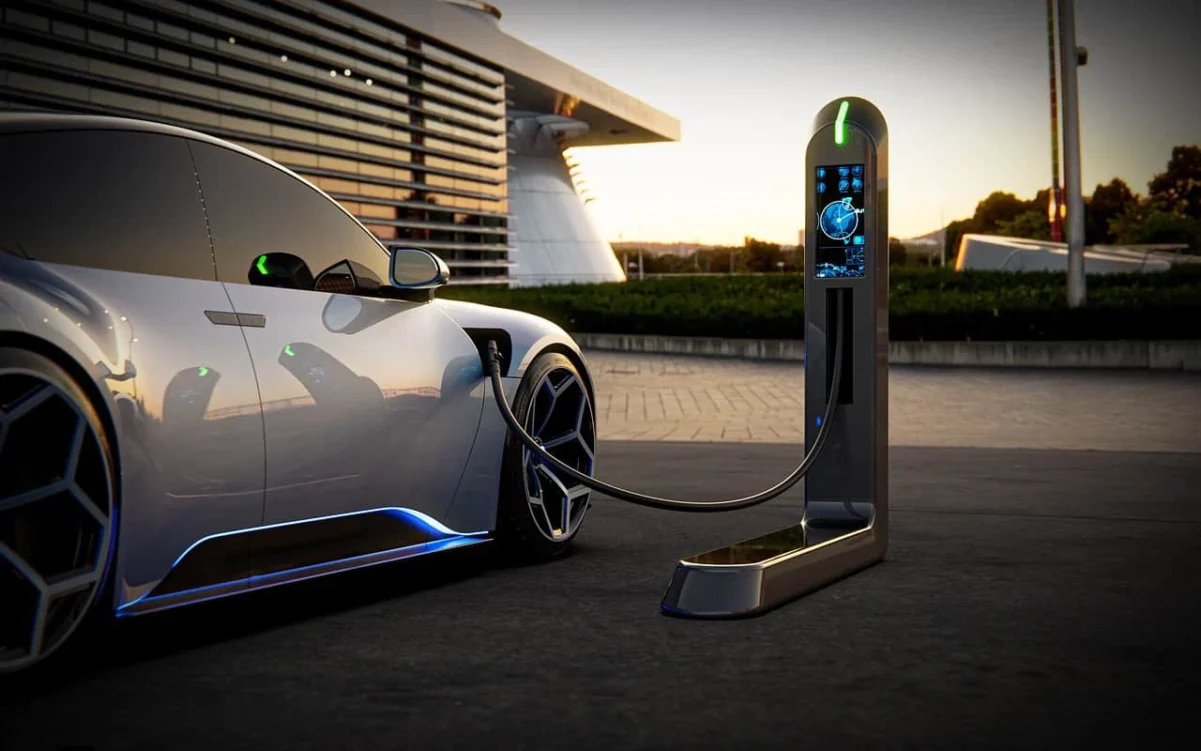
Special attention was paid to charging both AC and DC. “During AC charging, there was a short-term increase in the electromagnetic field near the connector at the start of the session, but even these values remained in the safe zone. At the same time, fast DC charging, although much more powerful, created even smaller fields than standard AC charging.”
None of the recorded peaks exceeded permissible levels.
The research results are unambiguous. “The impact of electromagnetic fields on the driver and passengers remained significantly below acceptable standards. The highest values were observed in the foot area, where cables run and drive components are located. At the same time, the upper body was practically not exposed to radiation.”
Researchers emphasized that even short-term peaks during different operating modes of the car do not approach dangerous levels.
“The study confirms that electric vehicles do not pose a radiation threat to humans. The level of electromagnetic radiation in the cabin remains low, and short-term peaks are safe. So drivers and passengers can use electric cars without worrying about the harmful effects of radiation.”
Post List




The topic of electric vehicle safety often becomes the subject of speculation. Real scientific studies, including testing by ADAC and the Federal Office for Radiation Protection, prove that electric vehicles do not create any additional radiation threat to humans. All recorded levels of electromagnetic fields are within international standards, and isolated short-term peaks do not have a negative impact on health.
Experts advise: drivers and passengers have no reason to refuse electric cars because of the fear of mythical “radiation”. Technological progress in the transport sector is accompanied by strict control and systematic checks, and modern electric cars even in complex operating modes remain safe for humans.
About the Author

Related posts:
 Why Ukrainians Are Buying More Electric Cars from the U.S.: Models, Prices, and What Comes Next
  New Car Market in Ukraine: Stability, Electric Vehicles, and Crossover Dominance
  The Electric Vehicle Market in Ukraine: Growth Amid War and What Is Holding Back Infrastructure Development
  Infrastructure for Electric Transport in Ukraine: Strategy, Challenges