Corruption Scandal and New Risks for Ukraine's Support: How Yermak’s Resignation Influences the US Position
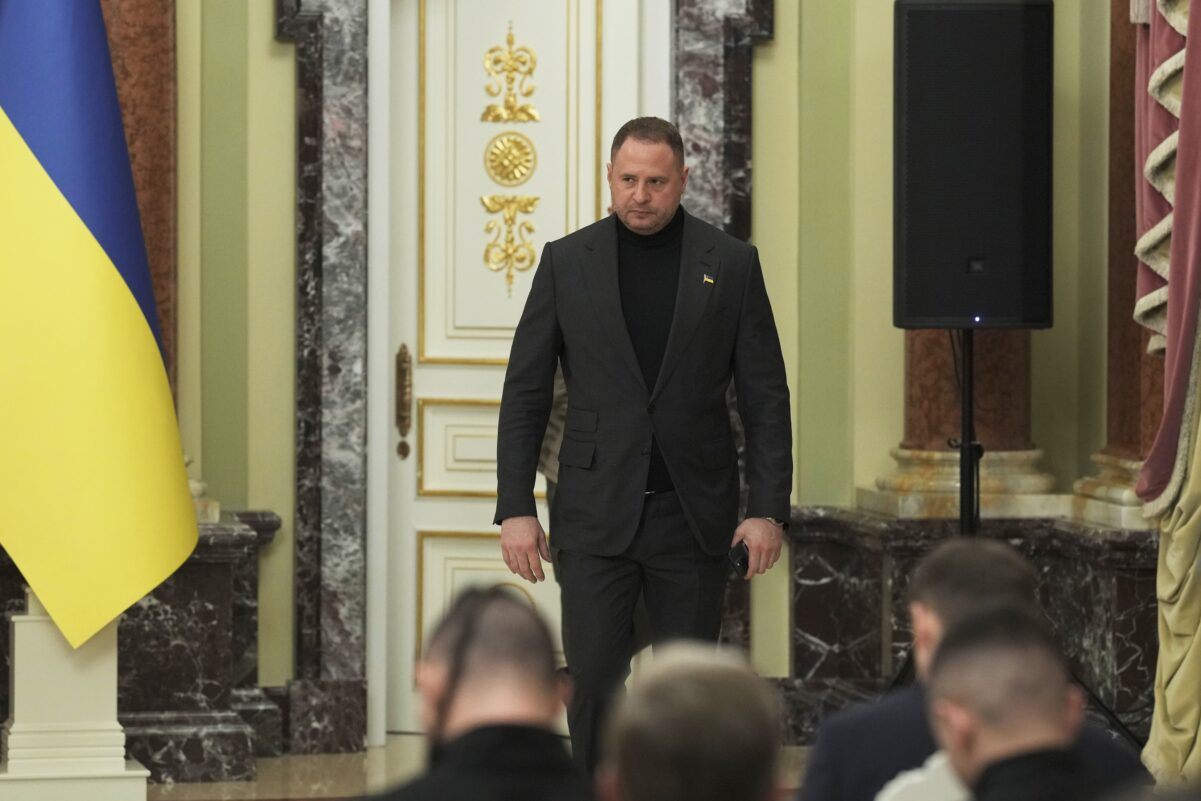
At the end of November, a major corruption scandal erupted in Ukraine, resulting in the resignation of Andriy Yermak the Head of the President’s Office and a key figure in Ukrainian-American negotiations. Against this backdrop, the focus shifted to the position of the United States, Ukraine’s main partner in the war with Russia.
During a briefing at the White House, President Donald Trump’s spokesperson Karoline Leavitt stated the administration’s position clearly:
“The President has made it clear: corruption is never beneficial,”
and emphasized that
“the President does not want American taxpayers to be abused.”
She highlighted the advantages of the current assistance model:
“The US sells weapons to NATO countries, and they, in turn, supply them to Ukraine. This is a better mechanism than blank cheques.”
This rhetoric confirmed: corruption risks remain critical for Washington in the matter of further support. However, as Leavitt stressed,
“recent events have not affected the Trump administration’s determination to end the war.”
The administration described itself as optimistic about a peace deal, underscoring
“very good negotiations” between the American and Ukrainian delegations over the weekend and the active work of special envoy Steven Witkoff, who is now heading to Russia.
The Strategy Remains Unchanged
The Trump administration is not abandoning its support for Ukraine but is transforming the very mechanism of assistance placing more emphasis on control, transparency, and targeted aid. Leavitt stressed:
“The President is very optimistic about reaching an agreement on Ukraine,”
and this remains the basis of the approach: not “blank cheques,” but aid tied to specific results and through more thorough mechanisms.
Who Will Lead the President’s Office After Yermak and Why This Matters for Dialogue
Yermak’s resignation took place amid NABU searches and during an active phase of peace negotiations, where he played a central role. President Zelensky immediately announced a “reset of the President’s Office,” emphasizing the importance of transparency and reforms for partners.
“Head Andriy Yermak has submitted his resignation… I am grateful to Andriy for the fact that the Ukrainian position in the negotiation track was always represented by him as it should be. It was always a patriotic position,”Zelensky stressed.
Several names are being mentioned as potential candidates for the new leadership: Pavlo Palisa, Mykhailo Fedorov, Yuliia Svyrydenko, Kyrylo Budanov. Some believe that “a military person in wartime is a logical and necessary requirement.” The final decision has not yet been made, and this adds uncertainty, as this position is critically important for maintaining direct dialogue with Western partners.
International Reaction: Pressure, Distrust, a Chance for Renewal
American and British media (NBC News, CNN, The Guardian) have called the situation “a serious political crisis” and emphasized that Moscow is trying to use the scandal for its propaganda. At the same time, Washington stresses:
“Recent events have not affected the Trump administration’s determination to end the war.”
Thus, the main negotiations with the American side are now being conducted by the Chief of the General Staff, representatives of the Ministry of Foreign Affairs, the National Security and Defense Council, and intelligence services.



The corruption scandal that led to Yermak’s resignation highlighted the vulnerabilities of Ukrainian authorities at a critical moment in peace negotiations. The Trump administration openly emphasizes the unacceptability of corruption and demands control over aid, but does not change the main course: support for Ukraine will continue if it is transparent and effective.
The opening of a new chapter in the President’s Office may be an opportunity for Kyiv to renew its dialogue with the West, demonstrating a commitment to reforms and integrity. At the same time, it is a source of additional pressure: personnel reshuffles, anti-corruption investigations, and demands for transparency are becoming a new reality for the entire negotiating team.
“The President has made it clear: corruption is never beneficial,” this thesis may define the nature of Washington’s further decisions, where transparency is no longer a technicality but a political requirement.
Ukraine must maintain the trust of its partners at a time when every signal from Kyiv is read in the West literally. When it comes to the final phase of the war and the possibility of peace, only transparency and accountability can guarantee that international support will not weaken but will become stronger and more effective.
About the Author

Related posts:
 Yermak’s Resignation: How Anti-Corruption Investigations Changed the Office of the President
  Trump-Zelensky-Putin Talks: Signals from Moscow and Ukraine’s Position
  Government Resignation During Wartime: Why Political Reshuffles Became the Main Topic and What to Expect Next
  An Assault on Anti-Corruption Independence in Ukraine: What Draft Law No. 12414 Means