Resignation of Andriy Yermak: Symptoms of Political Reset and Anti-Corruption Pressure
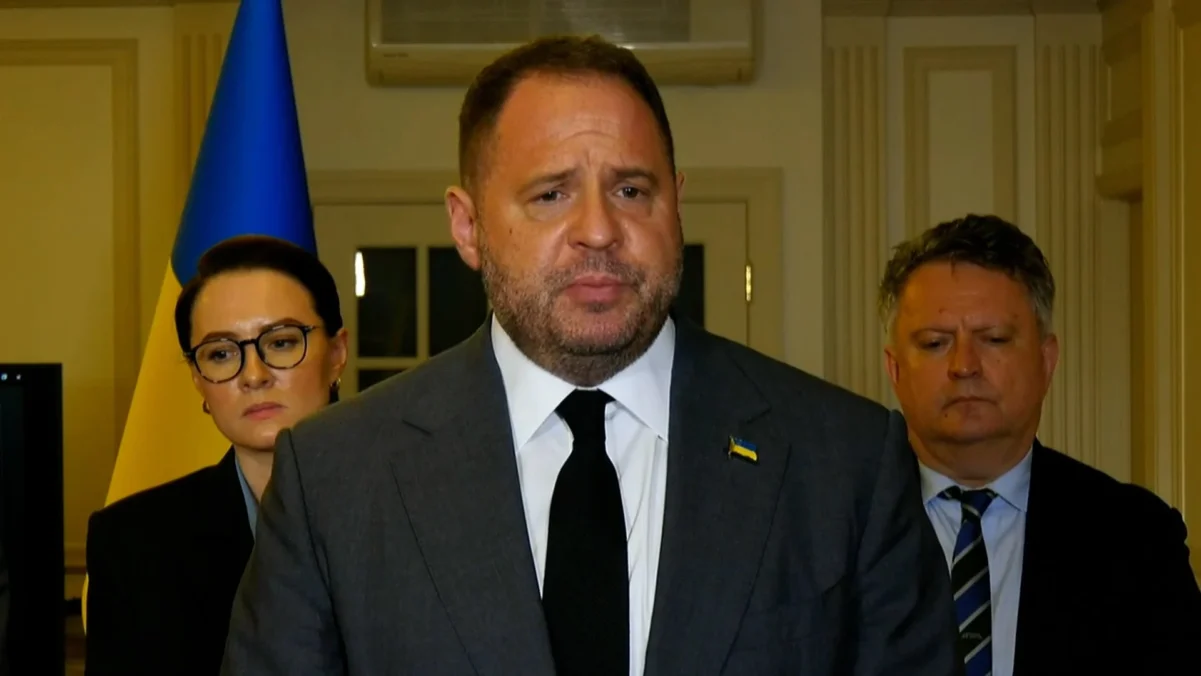
On the evening of November 28, Ukraine received news that immediately became central in the information space: the Head of the Office of the President, Andriy Yermak, submitted his resignation, and President Volodymyr Zelenskyy signed the corresponding decree. This decision is accompanied by a large wave of anti-corruption investigations, searches, and a series of public statements by the authorities and law enforcement agencies.
The resignation of Andriy Yermak took place against the backdrop of growing public demand for transparency and cleansing of power. On the evening of November 27, President Volodymyr Zelenskyy stated: “I want there to be no questions for Ukraine. So today next internal decisions. First, the Office of the President of Ukraine will be rebooted. The Head of the Office, Andriy Yermak, submitted his resignation. I am grateful to Andriy for the fact that the Ukrainian position in the negotiation track has always been a patriotic position.” Zelenskyy emphasized the importance of consolidation and “defending Ukraine” in a difficult period of war: “Everyone must now act exactly in the interests of our state and defend our state. This is an unchanging principle.”
On November 28, the Office of the President’s website published the decree on Yermak’s dismissal. At the same time, consultations on the new head of the Office are scheduled for November 29.
Anti-Corruption Pressure and Investigation Details
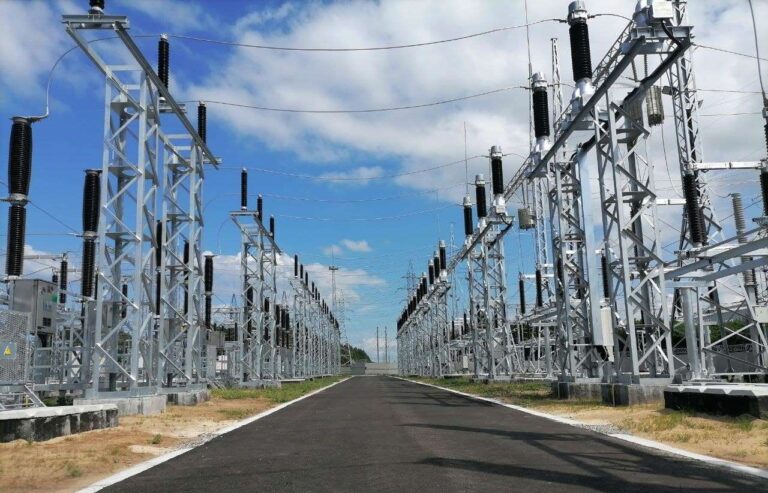
Yermak’s resignation was preceded by searches conducted on November 28 by NABU detectives and SAP prosecutors at his residence and offices. This was part of a series of investigations that covered not only the leadership of the Office, but also senior officials in the energy, justice, and other sectors. At the center of the investigations is a large-scale corruption scheme in Energoatom, where, according to the investigation, officials and businessmen received illegal benefits in the amount of 10–15% of contract value, using a “barrier” scheme to control payments.
Especially resonant were reports about Andriy Yermak’s involvement in the case of businessman Tymur Mindich, whom NABU calls one of the scheme’s organizers. According to media reports, Yermak is mentioned in “NABU tapes” under the code name “Ali Baba”. MPs Yaroslav Zhelezniak and Oleksiy Honcharenko voiced three main versions of the searches: monitoring NABU and SAP employees, possible involvement in Mindich’s schemes, and other episodes not yet public. Yermak himself stated that during the searches he did not create any obstacles for the investigators.
Wider Scope of Investigations and Public Response
Searches at the Office of the President took place amid a large NABU special operation that has been ongoing for over 15 months and covers more than 70 sites throughout Ukraine. During the investigations, significant amounts of cash, a mass of documents were seized, and key figures have already been served with suspicions. The case involves such names as businessman Tymur Mindich, former adviser to the Minister of Energy Ihor Myronyuk, Security Director of Energoatom Dmytro Basov, and four others from the “back office” for money legalization.
At the same time, the Servant of the People faction and a number of MPs had been discussing Yermak’s dismissal since November 20 amid anti-corruption scandals. Politicians’ statements included calls for the creation of a new coalition, the formation of a transparent and institutionally organized structure of the Office of the President, without informal influence and corruption practices. Importantly, some MPs called on the President to use the investigation as an opportunity for “cleansing and renewing his inner circle.”
Post List




Consequences and New Challenges
Yermak’s resignation became a marker of political reset and increased attention to the issues of transparency and accountability of power. Alongside personnel changes, President Zelenskyy announced preparations for new peace negotiations involving the Heads of the General Staff, the Ministry of Foreign Affairs, the NSDC Secretary, and intelligence representatives. According to Zelenskyy, during wartime it is important to “be strong inside” and concentrate all resources on defending Ukraine.
The resignation of Andriy Yermak was the culmination of prolonged anti-corruption pressure and public demand for the cleansing of power. This decision is not only a personnel move, but also a significant signal of the Office of the President’s willingness to respond to criticism, change management approaches, and increase the level of transparency. In wartime, when external and internal challenges are growing, the ability of the authorities to respond quickly and adequately to crises and suspicions of corruption determines not only political legitimacy, but also the stability of the entire state system. Every such step becomes a test for institutions, showing how ready the Ukrainian state is for renewal, responsibility, and strengthening public trust.
About the Author

Related posts:
 An Assault on Anti-Corruption Independence in Ukraine: What Draft Law No. 12414 Means
  Bill No. 12439 a challenge to the anti-corruption system or a “new level” of business protection?
  Extension of Martial Law, New Legislation, and the Anti-Corruption Crisis: What This Means for Ukraine
  Operation “Midas”: How Anti-Corruption Authorities Exposed a Large-Scale Scheme in the Energy Sector