Distributed Generation in Ukraine: How Small Power Plants Are Changing the Energy Market and Strengthening System Resilience
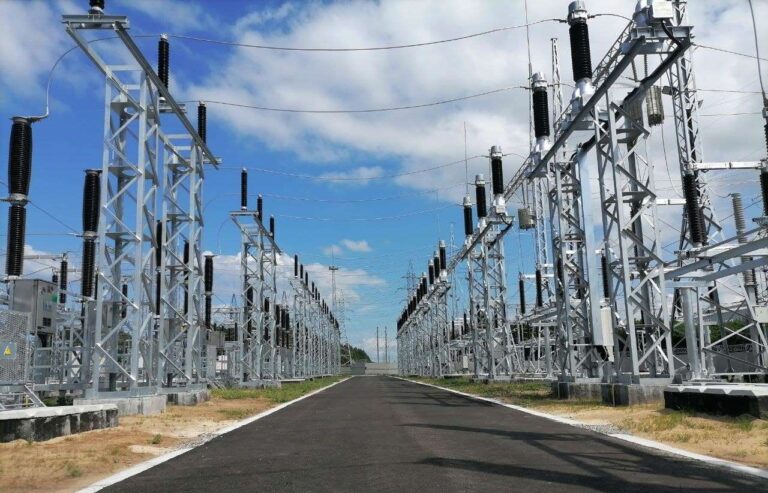
Modern Ukrainian energy finds itself in the midst of transformations driven by both external challenges and the internal necessity to strengthen the resilience of the energy system. The loss of a significant share of capacity due to enemy attacks and occupation, and the constant threat to critical infrastructure, have created the prerequisites for an accelerated transition from a centralized model to decentralized distributed generation.
Distributed generation is a system in which consumers receive electricity not from a single major producer, but from many independent or local sources. For Ukraine, this has become not just a trend, but a strategic necessity. The centralized system has proven vulnerable in wartime, while small, decentralized facilities can guarantee basic supply even in critical situations.
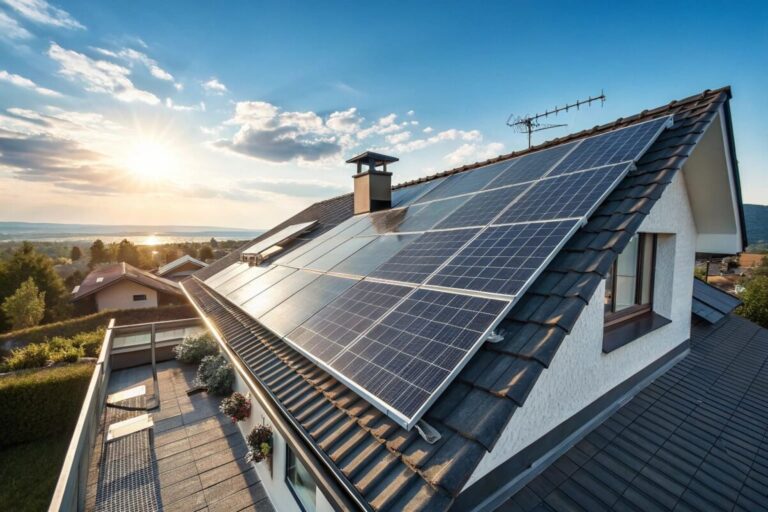
According to the Ukrainian Institute for the Future, in the first half of 2025, more than 1 GW of distributed generation was built in the country twice as fast as in 2024. The percentage of new capacity connected to the grid also increased: from 11% in 2024 to 63% in 2025. The main sources are solar power plants and gas cogeneration units, which provided over 500 MW and 300 MW of capacity, respectively.
Financial support for this movement mostly comes from business: 0.9 out of a total 1 GW of installed capacity in the first half of 2025 was funded by the private sector. Among the leaders are DTEK, MHP, Eco-Optima, Wind Parks of Ukraine, Epicenter, Novus. For example, DTEK is building wind power plants with a total capacity of 1,150 MW and already has 500 MW under construction.
A special role is played by the construction of electricity storage facilities. In August, DTEK launched the country’s largest complex with a capacity of 200 MW, which helps maintain network stability and provides electricity for 600,000 homes for two hours. Such projects open up new opportunities for balancing the energy system, especially during peak consumption periods or emergencies.
Regional differences are significant. Lviv region in the first half of 2025 added over 230 MW of distributed energy, including thanks to the Skole wind power plant. Such projects are gaining momentum throughout the country, but the greatest potential lies in the cooperation between the state, business, and communities.
However, large-scale development of small-scale generation faces a number of serious challenges. The main problem is the outdated electrical grid infrastructure. Most grids are not adapted to a large number of new generators, which complicates integration, increases the risk of accidents, and reduces power quality. It is necessary to implement modern connection standards, develop “smart” grids, and introduce monitoring and control systems.
In addition to technical obstacles, there are also organizational problems: a lack of qualified specialists, limited financial capacity in communities, difficulties in approving technical conditions for connection, and the absence of effective mechanisms for insuring wartime risks. According to Energy Club estimates, there are five key barriers to the rapid deployment of new capacities from a shortage of engineers to the high cost of financing.
Post List




Nevertheless, the prospects for distributed generation are optimistic. The potential for new technology implementation exists in most regions. Today, particular focus is on the development of solar energy with storage and wind generation. Razumkov Center experts believe that gas installations are a “last resort” and should be used only in critical situations due to the high price of gas. Instead, energy storage technologies and combined solutions based on renewables are the way to effective, economically advantageous, and environmentally friendly energy.
For the reform to succeed, it is necessary to model energy needs in advance, develop municipal planning, strengthen training and cooperation with market aggregators, and invest in preparing specialists and modernizing networks.
Ukraine is now shaping a new, flexible, and decentralized energy model that answers the major risks of today. Small-scale generation is turning from a backup source into a strategic development resource, capable not only of ensuring basic energy security, but also becoming a driver of innovation, economic growth, and integration with the European energy space. Realizing the potential of this area requires maximum cooperation, professionalism, and a systemic approach to addressing wartime challenges from all energy market players business, state, and communities alike.
About the Author

Related posts:
 Infrastructure for Electric Transport in Ukraine: Strategy, Challenges
  Heating Season 2025/2026: Is Ukraine Ready for New Energy Challenges?
  The World Is Gasping: How War Is Undermining the Global Energy Transition and Why Ukraine Is Caught in the Crossfire
  Operation “Midas”: How Anti-Corruption Authorities Exposed a Large-Scale Scheme in the Energy Sector