Big Business Under Pressure: How Tax Policy, Tariffs, and New Risks Are Reshaping Ukraine’s Economy
In 2025, Ukraine’s tax revenues have grown by nearly a quarter, despite the war, declining production, and strict export restrictions. However, this growth does not indicate an economic upswing or business stability. The main reason is the change in tax rates and the indexation of duties, not a real improvement in the business climate. This situation is explained by Metinvest Group’s Chief Financial Officer Yulia Dankova: “The increase in tax revenues is not related to big business having it easier or economic growth taking place.”
Higher tax burdens are a direct response to the government’s need to fund the army, maintain social benefits, and fulfill obligations to citizens. But is it possible to preserve the financial stability of key enterprises which underpin the country’s economic strength at this price?
Yulia Dankova puts it plainly: “Tax revenues are rising because of legislative changes adopted at the end of last year: the increase in the military levy from 1.5% to 5%, as well as the annual indexation of resource taxes, land fees, and so on.”
For most large companies, these innovations have added an extra burden amid challenging circumstances with production, exports, and staff. For example, Metinvest Group was forced to halt part of its facilities due to fighting and a shortage of staff, and the deficit of qualified workers has already reached 20%. Businesses are scaling back production but are forced to pay more.
Business and Government: Seeking Balance and Responsibility
The position of big business is clear: what’s needed is not privileges but predictable tariff and tax policy, investment security, and state protection in foreign markets. “For the state, big business should be a priority area of security policy, as it is big business that builds the foundation for the development of small and medium-sized enterprises and a strong economy,” Metinvest’s CFO emphasizes.
In wartime, business faces the task not only of survival but also of retaining staff and production potential. But this requires mutual responsibility. Business expects the state to provide:
- protection for investors and guarantees of capital return,
- support for access to financial resources,
- transparent and understandable market rules,
- real defense of Ukrainian manufacturers abroad.
“Business also expects the state to defend its interests in foreign markets and to protect domestic producers. This protection should not be seen as a policy of privileges, but as the proper use of international law in connection with the war,” Dankova stresses.
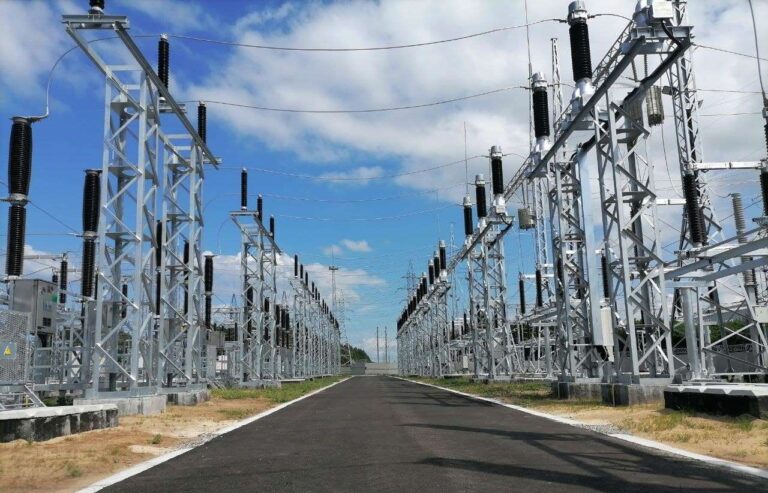
One of the most acute problems is the tariffs of state monopolies. High electricity and transportation costs force companies to shut down or lose competitiveness. “Ingulets GOK is not operating due to high electricity tariffs. Every further increase in prices and tariffs is a risk of shutting down other mining and processing plants or losing market share,” says Dankova. Private businesses should not have to compensate for the losses of state enterprises especially their social functions through higher tariffs. In developed countries, social services are funded from the budget, not shifted onto business.
In 2025, exports remain the main source of income for big business. At the same time, Ukraine is forced to compete with Russian producers even in the European market, where sanctions still allow loopholes for Russian steel deliveries. This situation lowers industry revenues and requires decisive diplomatic action by the state.
Business also faces challenges on international capital markets. Investors are wary of the war and strict currency restrictions. Nevertheless, companies like Metinvest are attracting loans from Finnish and German banks and investing in projects both inside the country and abroad, such as a green steel plant in Italy.
Another bottleneck is VAT refunds. Automated systems work, but the state often delays returning funds to “balance the books” at the expense of large exporters. This undermines trust and threatens the stability of financial flows. Business expects transparency and adherence to the law.
From 2026, the CBAM mechanism a new CO2 emissions levy will affect Ukrainian steel exports to the EU. Business warns: these costs will be significant, and EU customers are unlikely to bear them. Ukraine needs a postponement of these rules in light of the wartime situation and the lack of modernization grants that European competitors received.
Post List



A separate problem is the shortage of workers due to mobilization, migration, and the decline in the number of qualified staff. This is not only an internal company issue but a challenge for the entire economy. Without state support, even major employers will not be able to maintain sustainable production.
The situation for big business in Ukraine today is not about “easy money” or windfall profits. It is a constant balancing act between tax pressure, tariffs, staff shortages, and external challenges. The budget is growing due to taxes, but the future depends on whether the state can become a partner that guarantees security, access to resources, predictable rules, and export support. This is the only way to build the economic foundation on which Ukraine will stand after victory.
About the Author

Related posts:
 How Ukrainians Are Driving Poland’s Economy: Taxes, GDP, and Business Growth
  Why Ukrzaliznytsia’s Freight Tariff Increase in 2025-2026 Threatens Business and Ukraine’s Economy
  The Banking Sector Under Tax Pressure: How Superprofits and Fiscal Policy Are Reshaping Ukraine’s Finances
  500% Tariffs from the U.S.: Will Graham’s Bill Open a New Front in Economic Pressure on Russia’s Trade Partners?