Matcha and Hair Loss: What Actually Happens in the Body and Why This Popular Drink May Only Be Safe for Healthy Individuals
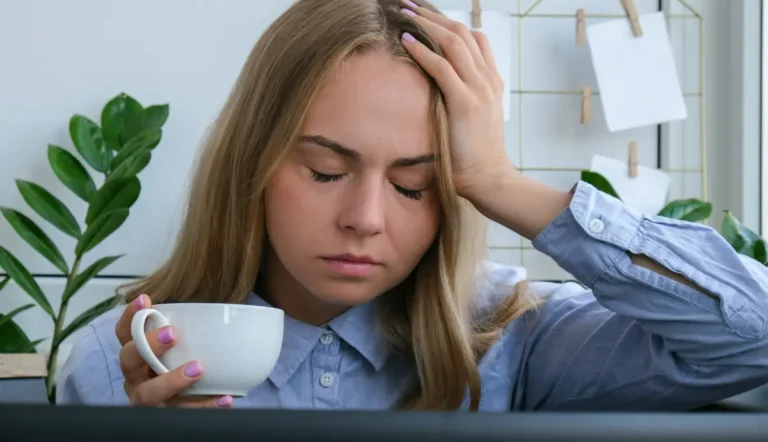
There are increasing reports from women on social networks about hair loss after regular consumption of matcha. A drink widely seen as a symbol of a healthy lifestyle has suddenly come under suspicion. Experts emphasize: the issue is far more complex than it seems, and matcha’s effects on the body are tied not just to the tea itself, but to its biochemical components and an individual’s physiological characteristics. This article examines scientifically proven mechanisms, explains potential risks, and helps to understand for whom matcha may be beneficial, and for whom it can be harmful.
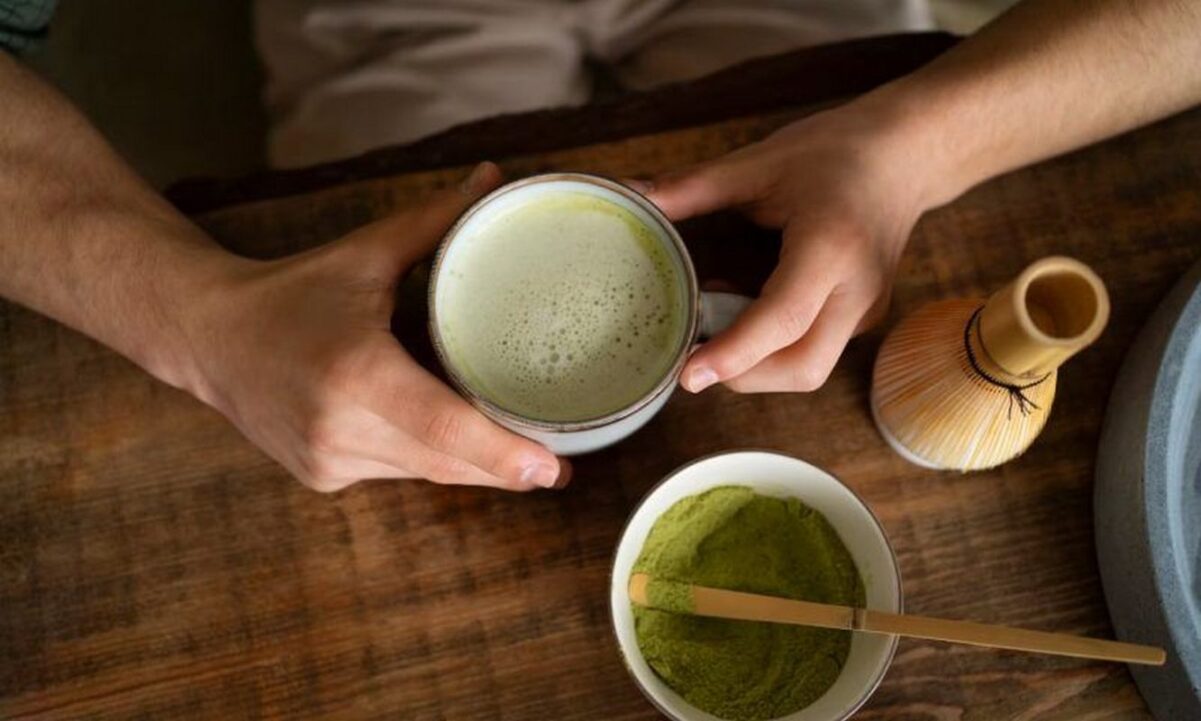
Matcha is a powder made from young green tea leaves, grown in the shade and ground to an ultra-fine consistency. Unlike regular tea, where we drink the infusion, matcha involves consuming the whole leaf, making it several times more concentrated in its composition.
It contains:
- high concentrations of caffeine,
- tannins,
- EGCG (epigallocatechin gallate) a powerful antioxidant,
- L-theanine, which affects the nervous system.
It is precisely this concentration that explains both the benefits and the potential risks.
Can Matcha Cause Hair Loss
1. Tannins and Impaired Iron Absorption
Dietitian Stephanie Schiff notes:
“If your hair starts falling out after you begin drinking more matcha, the reason may be tannins.”
Tannins are polyphenols with antioxidant properties, but at the same time, they inhibit the absorption of inorganic (plant-based) iron in the small intestine. In scientific literature, this mechanism is described as inhibition of iron absorption through chelation.
Loss of iron can lead to iron deficiency anemia, and one of its symptoms is diffuse telogen hair loss.
Risk groups include:
- people with heavy menstrual bleeding,
- those following a strict vegan diet,
- individuals with digestive disorders,
- adolescents and women of reproductive age,
- people with already low ferritin levels.
2. Caffeine and the Stress Hormone
Matcha contains significant doses of caffeine. A single serving of powder may contain up to 80 mg almost as much as coffee. Dietitian Amy Shapiro explains:
“Excessive caffeine intake increases stress hormone levels, which in some people can temporarily trigger hair loss.”
This refers to cortisol, which can disrupt the anagen (growth) phase of hair and shift it into telogen the hair loss phase. In medical literature, this is described as stress-induced telogen effluvium.
3. Matcha as a Drink for Healthy People
Experts warn: due to the high concentration of bioactive substances, matcha is not universally safe. It is recommended specifically for healthy individuals, without anemia, chronic liver diseases, or eating disorders. People with iron deficiency, pregnant women, and those taking certain medications should be especially cautious.
How Much Matcha Can You Drink Without Risk
Shapiro emphasizes that there is no strict standard, but 1-2 servings per day are safe for most.
People with low ferritin should:
- avoid drinking matcha with meals rich in plant-based iron,
- combine plant-based iron sources with foods high in vitamin C,
- avoid concentrated green tea supplements.
How to Minimize Risks
If There Is a Risk of Anemia:
- avoid drinking matcha on an empty stomach,
- do not combine it with foods rich in plant-based iron,
- get your ferritin and complete blood count checked.
If Sensitive to Caffeine:
- limit consumption to ½–1 serving per day,
- avoid drinking late in the day,
- do not combine with other caffeine-containing products.
Other Possible Side Effects
Some of these are associated with tannins: nausea, stomach irritation, heartburn. Others with caffeine: insomnia, anxiety, tachycardia, elevated blood pressure.
In rare cases, high doses of green tea or its extracts can cause hepatotoxicity due to increased blood levels of EGCG. Supplements taken on an empty stomach are particularly dangerous.
Post List



Despite concerns, matcha has many proven advantages:
- EGCG reduces inflammation and lowers the risk of cardiovascular diseases.
- L-theanine improves concentration and reduces stress.
- Caffeine combined with theanine provides a stable energy level without sharp crashes.
- Research shows that matcha improves insulin sensitivity and helps with weight management.
According to Shapiro:
“Matcha is a more concentrated form of green tea, so it contains three times more EGCG.”
Matcha is neither a uniquely harmful product nor a “superdrink,” but rather a highly concentrated substance with a pronounced biochemical impact on the body. Its potential link to hair loss is explained by well-understood scientific mechanisms: inhibited iron absorption, cortisol stimulation, and individual sensitivity to caffeine.
Moderate consumption is safe for most, but matcha is indeed best suited for people with healthy metabolism, normal ferritin levels, and no chronic health issues. For those who already have a risk of anemia, thyroid issues, or are prone to stress reactions, excessive matcha consumption can become a trigger that worsens hair and overall well-being. Everything depends on dosage, frequency of consumption, and the individual’s health. Balance, regular lab tests, and attention to one’s own body are key tools for safe use.
About the Author

Related posts:
 How much water should you drink every day: scientific evidence and real-life recommendations
  A Test for NATO: What German Intelligence Is Signaling About “Little Green Men” in Estonia
  Ukrainian series “Guardian of the Green Grove” premieres in Kyiv: A story of dignity and responsibility
  Coffee Is Not the Enemy, but an Ally: What a Cup of Espresso Really Does for Our Health