OpenAI: A New Direction and Challenges in the Healthcare and Computational Power Market
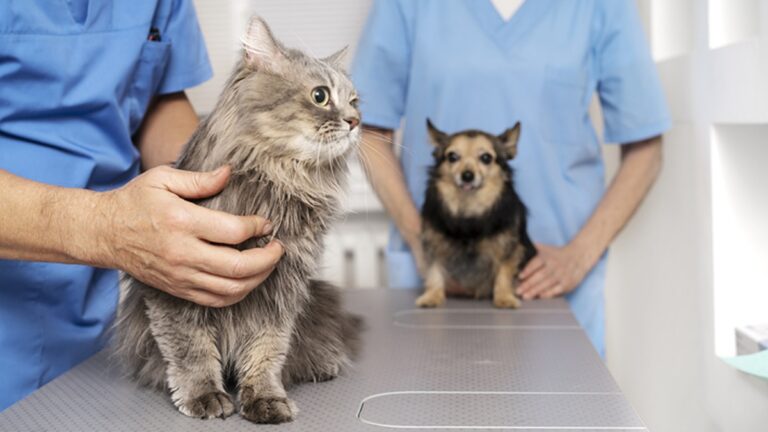
OpenAI, the company behind the renowned ChatGPT chatbot, is demonstrating ambitious plans to develop consumer health products. The idea of creating a generative personal assistant or health data aggregator based on artificial intelligence is actively discussed both inside the company and in the wider industry. During 2024, OpenAI significantly expanded its team through strategic hires that are expected to become the foundation for working in the complex and highly competitive digital medicine market.
“We see enormous user interest in health topics and understand the importance of a personal approach. Our task is to create solutions that work for the individual, not the system,“ – this position has been repeatedly voiced by company representatives at industry events.
In the spring of 2024, Nate Gross co-founder of the physician network Doximity and a well-known specialist in the HealthTech market joined the OpenAI team, taking the position of Head of Healthcare Strategy. That summer, the company was reinforced by Ashley Alexander, who previously led product directions at Instagram and has significant experience launching consumer services. She became Vice President for Health Products.
These hires are not just a formality but a strategic move to understand the medical market, its regulations, and consumer expectations. Gross’s experience in the digital transformation of healthcare and medical communications, together with Alexander’s creativity in developing large-scale mass services, form a new potential for OpenAI to go beyond the classic chatbot.
OpenAI’s attempt to become a leader in medical AI products comes against the backdrop of a series of failures by predecessors. As noted: Google closed its medical division in 2011, Amazon shut down the Halo fitness tracker business in 2023, and Microsoft focused on partnership with Nuance and other players. This shows that the market is strictly regulated and requires deep trust and responsibility towards the user.
OpenAI is choosing the path of creating solutions that not only aggregate data or help find information but become a true personal assistant capable of integrating various aspects of a person’s health and wellbeing. It is important to note: there have been no announcements of a finished product so far, we are talking only about an active phase of research and recruitment.
At the HLTH conference in October 2024, Nate Gross stated: “ChatGPT engages about 800 million active users weekly, a significant portion of whom already turn to the bot for medical information or assistance.“
However, this number has not been officially confirmed by the company, and the meaning of “medical assistance” is very broad from clarifying symptoms to general advice. Independent analysts note that the real scale of OpenAI’s use specifically for health is still a subject for further study.
Alongside staffing expansion, OpenAI announced a series of large-scale deals with chip manufacturers, cloud providers, and infrastructure partners. The text refers to a total amount of commitments that could reach $1 trillion over the next decade. This is an estimate that includes both potential investments and long-term contracts with Nvidia, AMD, Oracle, CoreWeave, as well as the launch of the joint Stargate initiative with SoftBank.
“OpenAI is not able to take on any of these commitments,” said Gil Luria, DA Davidson analyst. According to him, the company may incur losses of about $10 billion this year. This raises serious questions about OpenAI’s ability to fulfill such commitments given its current revenue volume.
The logic here is clear: launching and scaling modern language models requires computing power comparable to dozens of nuclear reactors. These are not just ambitions, but a challenge for the entire market: ensuring the availability, safety, and speed of AI for millions of users worldwide.
Post List




OpenAI introduced its first proprietary web browser, ChatGPT Atlas, based on AI. The browser allows users to perform tasks: booking tickets, editing documents, searching for information, as well as analyzing pages in real time.
Initially, Atlas will be available on macOS and later on Windows, iOS, and Android. This creates a new standard for personal digital assistants, taking ChatGPT beyond text chats.
OpenAI is moving towards transforming from a chatbot developer into a full-fledged technological platform for personal services, including in the field of health.
However, there are no actual health products yet we are talking about strategy, research, and team building. Investment commitments of giant scale remain more of an estimate of future potential than real contracts.
The healthcare market for AI is one of the toughest in terms of competition, trust, and regulation.
The main question: will OpenAI succeed in realizing its ambitions and demonstrating the real value of a personal health assistant in a world where even giants face barriers?
So far, the answer lies in potential and aspiration, not in completed products.
About the Author

Related posts:
 Artificial Intelligence in Government: How Diia.AI Works and Why It’s More Than Just a Chatbot
  Artificial Intelligence and the Labor Market: Which Jobs Will Disappear, Which Will Emerge, and How to Adapt
  $2.5 Billion for Women: How the Bill & Melinda Gates Foundation Is Changing the Approach to Women’s Health
  Artificial Intelligence and Science: Has AI Come Closer to Nobel-Level Discoveries?