Heating Season 2025/2026: How Naftogaz Prepares for Winter During War and Why Partner Support Is Crucial
Ukraine is entering autumn with a clear objective to ensure energy resilience amid war, economic pressure, and ongoing Russian attacks on critical infrastructure. One of the key elements of this strategy is the preparation for the 2025/2026 heating season, and at this stage, Naftogaz of Ukraine plays a central role.
Chairman of the Management Board of NJSC Naftogaz of Ukraine, Serhii Koretskyi, together with the company’s supervisory board, held a meeting with the International Monetary Fund mission, where they discussed concrete steps from gas imports to protecting gas infrastructure.
“We spoke about the measures we are taking together with our partners to strengthen the resilience of our energy system,” – stated Koretskyi.
He specifically emphasized that support from international financial institutions is critically important for getting through the winter. Because this is not just about the market it’s about keeping the country’s energy system alive during war.
One of the most crucial tools has been the agreement with the European Bank for Reconstruction and Developmentfor a €500 million loan. These funds are allocated for natural gas procurement. It is the largest EBRD project in Ukraine.
“Naftogaz and the EBRD signed a record-setting agreement for Ukraine €500 million for gas procurement. This is the bank’s largest project in our country,” – said Prime Minister Yuliia Svyrydenko.
Koretskyi also stressed the significance of this agreement as a marker of trust and a clear signal:
“I thank the EBRD and all our partners for their trust and support. I am grateful to the Government of Ukraine for efforts aimed at strengthening Naftogaz’s capabilities. This is a clear signal that our partners understand the scale of threats posed by Russia. Energy security today and energy independence in the future these are our strategic priorities.”
Storage Targets: Numbers, Deadlines, Risks
As of early August, gas storage levels in Ukraine exceeded 10 billion cubic meters. By November 1, the Ministry of Energy has set the target to accumulate 13.2 billion cubic meters. This figure is considered the minimum required for a stable 2025/2026 heating season.
Most experts see this target as realistic, but it requires additional imports and financing. In particular, according to the former head of the Gas Transmission System Operator, Serhii Makohon:
“In order to accumulate the necessary 13.2 billion cubic meters of gas by November 1, Naftogaz needs €1 billion in funding, which would allow the company to purchase 2 billion cubic meters of gas.”
But this is only part of what’s needed. The company also has to ensure a winter reserve.
“For winter, a reserve of at least $700 million is necessary. This would allow for the purchase of between 1 and 1.5 billion cubic meters of gas, depending on the price. Gas is usually much more expensive in winter. For example, last summer Naftogaz barely imported any gas, and only began emergency imports in winter but by then the price was already 40-50% higher,” – noted Makohon.
Post List




Sources of Financing: How the Energy “Cushion” Is Formed
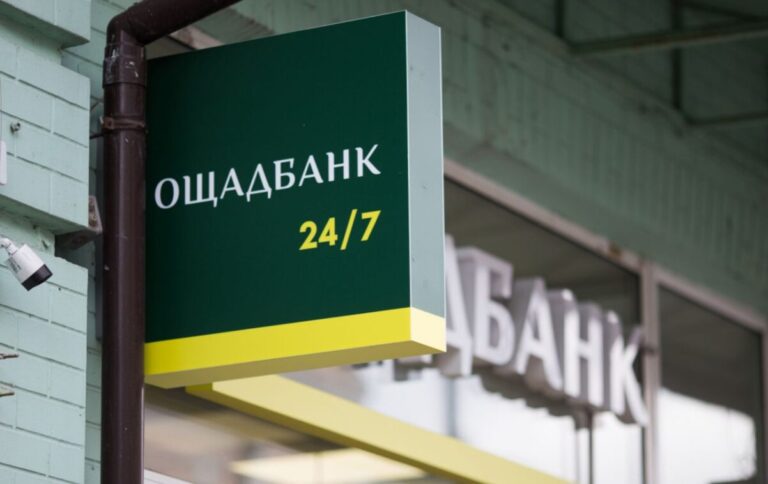
In addition to the EBRD agreement, Naftogaz in late July secured loans from state-owned banks Ukrgasbank and PrivatBank totaling 4.7 billion UAH. Overall, the company plans to import up to 4.5 billion cubic meters of gas as part of the preparation process.
The funds provided by the EBRD will enable the purchase of gas on competitive terms, involving over 30 pre-qualified suppliers, with contracts signed under the standards of the European Federation of Energy Traders (EFET). This is a vital guarantee of transparency, as EFET unites over 120 companies on the European market and ensures openness, competition, and stable energy supply.
What Threatens the System: War, Attacks, Winter
Preparing for winter in Ukraine is not a technical procedure it’s a survival factor. One of the key topics raised during the IMF meeting was the systematic Russian attacks on gas infrastructure.
Koretskyi emphasized that the issue is not only about damage, but also about the threat of repeated terrorist strikes. Any such strike could knock out critical elements of gas storage or transport.
That’s why the issue of resource accumulation is also an issue of time, flexibility, and financial maneuverability. How quickly Naftogaz can react to price fluctuations, emergency needs, or localized infrastructure losses will determine not only comfort, but the safety of millions of Ukrainian households.
Preparation for the 2025/2026 heating season is a test for all levels of governance: from the government to supervisory boards, from international partners to Ukrainian consumers.
Money for gas does not automatically mean heat in homes. Supply must be timely, contracts must be efficient, and decisions must be swift. At the same time, only coordinated work between the state, business, and partners can turn external aid into internal stability.
“Energy security today and energy independence in the future these are our strategic priorities,” – summarized Serhii Koretskyi.
And in conditions where home heating depends not only on temperature, but also on the missile schedule, energy becomes a matter of national defense.
About the Author

Related posts:
 Ukraine’s Gas Reserves: The Lowest Level in 12 Years, but Injection Rates Are Rising
  A Growing Debt: What Lies Behind UAH 106 Billion in Unpaid Utility Bills
  Gas Without a Future: How Gazprom Is Losing Markets, Revenue, and Influence
  Russian Economy in 2025: Broken Resilience, Wartime Inertia, and Systemic Cracks