Chemical Weapons on the Front: How Russia Uses Chloropicrin Against Ukraine
The Dutch government’s statement on Russia’s systematic use of chemical weapons at the front became one of the most significant international stories in early July 2025. For the first time, European intelligence not just Ukraine or the US publicly recognized that Russia’s chemical terror is not about isolated incidents, but a deliberate and large-scale policy. Why is this so important now? What do we know about these war crimes, and how are international institutions reacting? Here’s a detailed look.
A New Scale: What the Netherlands and Germany Are Saying
Dutch Defense Minister Ruben Brekelmans publicly stated that Russian forces are using chemical agents chiefly chloropicrin “on a massive and systematic scale.” This isn’t about a few isolated cases, but thousands of attacks involving asphyxiating chemicals dropped from drones directly onto Ukrainian defensive positions. The tactic is straightforward: after releasing chemicals, Russian troops open fire on soldiers who are forced to leave their shelters to escape suffocation. This information has been confirmed by German military intelligence as well. According to Dutch military intelligence chief Peter Reinsink, both countries have collected independent evidence. The use of chloropicrin a substance notorious since World War I has become “standard practice” for Russian troops in some areas of the front.
Chloropicrin and the Ban on Chemical Weapons
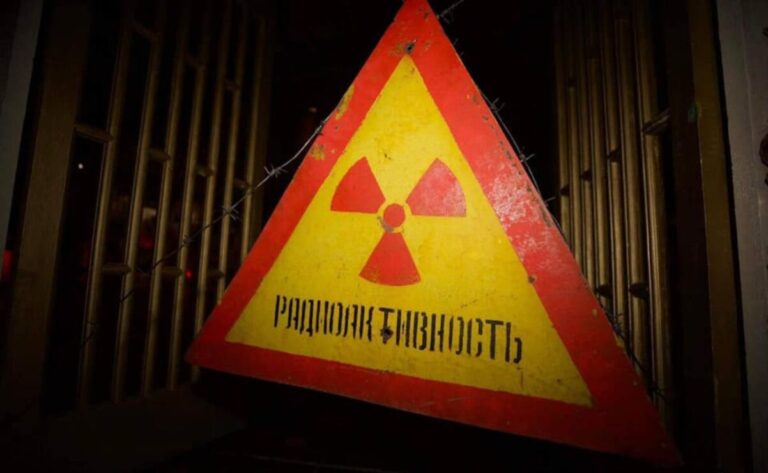
Chloropicrin is a choking agent banned under the Geneva Protocol since 1925. In theory, its use in the 21st century should be unthinkable. But the reality in eastern and southern Ukraine is different: chloropicrin is being dropped from drones in bottles, light bulbs, or specialized canisters, sometimes combined with explosives. Back in 2023, the United States officially accused Russia of using chloropicrin on the battlefield. Ukrainian authorities have regularly reported thousands of incidents linked to chemical attacks. According to Ukraine’s Ministry of Health and Armed Forces, just in recent months, at least three soldiers have died and more than 2,500 have experienced symptoms of poisoning or asphyxiation. Many require prolonged medical treatment for damage to their airways.



Why Is This Coming Up Now?
The new statement from the Netherlands coincided with a series of international events escalation on the front lines, another wave of massive missile and drone strikes on Kyiv and other regions, and growing sanctions pressure on Russia. On the night of July 4, Kyiv endured one of the most extensive barrages since the start of the full-scale war: more than 550 targets, including over 330 Shahed drones and dozens of ballistic missiles. At least 23 people were wounded, and dozens of buildings were damaged or destroyed. In these moments, the use of chemical weapons becomes particularly dangerous not only demoralizing troops, but also causing chaos during combined attacks. Ukrainian doctors confirm a rise in poisonings and respiratory injuries after such attacks.
The Position of International Organizations and Russia’s Response
Russia’s reaction remains predictable: total denial. The Russian Ministry of Foreign Affairs attempts to shift blame to Ukraine, alleging (without evidence) that Ukrainian forces have also used chloropicrin. The Organization for the Prohibition of Chemical Weapons (OPCW), based in The Hague, has called on all sides to provide evidence and request a formal investigation. So far, no formal international inquiry has been launched an official request from a member state is needed. In the meantime, OPCW experts are already reviewing the material submitted.
Why This Is More Than Just a Battlefield Tactic
The use of chemical weapons is not just a violation of international law, but a deliberate escalation toward terrorist methods of warfare. According to the Dutch defense minister, Russia isn’t improvising this is a full-scale program involving research, production, and the recruitment of new specialists. This could signal a long-term strategy that goes far beyond the Ukrainian battlefield. Meanwhile, the Euro-Atlantic community is responding more actively: the European Commission is considering adding 15 new individuals and entities to the sanctions list for their roles in the production or use of chemical agents. The Netherlands is calling for Russia’s removal from the OPCW Executive Council, which would be a significant international signal.
The mass use of chemical weapons is a new level of danger for Ukrainian soldiers and civilians alike. For years, Ukraine has faced a war in which all international norms are violated, but chemical terror makes it clear: Russia will stop at nothing. International reaction, investigation, and sanctions must be swift and decisive. Any delay only encourages further crimes. Now, with even European states acknowledging the scale of the threat, vigilance and documentation are critical and so is pressure on institutions with the power to stop a new wave of chemical terror.
Reference:
- Chloropicrin – a choking agent banned from warfare under the Geneva Protocol.
- OPCW – the Organization for the Prohibition of Chemical Weapons, which oversees compliance with the Chemical Weapons Convention.
- The July 4 mass strikes – one of the largest air attacks on Kyiv and the regions since the start of the full-scale war.
About the Author

Related posts:
 Weapons Without Borders: Why Strikes on Drone Factories in Iran and Russia Matter Beyond the Battlefield
  Web of War 2.0: How Ukraine Once Again Breached Russia’s “Safe Zone”
  Drones over Russia: Why Ukraine has started to go deep – and what it changes
  Energy War: Why Russia Keeps Targeting Ukraine’s Infrastructure