Why Russia Keeps Targeting Ukraine’s Energy Grid and What It Means for Civilians
On the night of June 21, 2025, Russia launched another massive missile and drone strike against Ukraine’s energy infrastructure. The primary target this time was the Kremenchuk district in Poltava region. Over 280 aerial threats including Shahed drones, Kinzhal, and Kalibr missiles were detected across multiple regions. While Ukrainian air defense systems neutralized the majority, even one strike is enough to plunge homes into darkness, cut water supplies, and trigger fear.
These attacks are not just random they are a strategy.
Why Energy Infrastructure?
Modern war is not just about territorial conquest. It’s about control. And one of the most effective ways to control a population is to destroy the systems that sustain life electricity, heating, water, communications.
Since 2022, Russia has consistently targeted Ukraine’s critical infrastructure. The attacks intensified through 2024 and 2025, with over 400 large-scale strikes recorded. The most affected regions include Dnipropetrovsk, Kyiv, Kharkiv, Zaporizhzhia, and Poltava. Every strike aims not only to weaken the energy grid, but also to demoralize civilians pushing them toward fear, fatigue, and helplessness. Especially during the cold season, when electricity and heat are matters of survival.
What Happened in Kremenchuk?
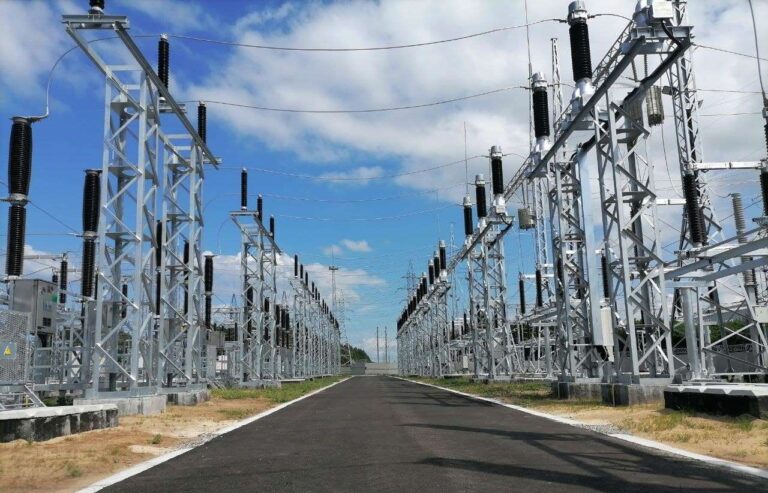
The night of June 20–21 became one of the heaviest since spring. Ukraine’s Air Force reported over 280 aerial threats. In the Kremenchuk area, energy infrastructure was hit damaging high-voltage lines and sparking fires. One civilian was reported injured.
Even when air defense intercepts missiles, debris causes damage punching through rooftops, sparking fires, or disabling transformers. Emergency workers are often forced to extinguish fires, restore electricity, and deploy backup systems all at once.
How the World Reacts
Strikes on civilian infrastructure violate the Geneva Conventions. Both the UN and WHO have repeatedly called such attacks potential war crimes. The EU and the U.S. continue to call for expanded delivery of air defense systems not only long-range weapons like Patriot or IRIS-T, but also short-range, mobile systems that can protect thermal power stations and substations. Within NATO, voices are growing louder: these are not temporary strikes, but part of a deliberate Russian strategy to dismantle Ukraine’s civilian stability.
The Real-Life Impact
In July 2023, people near Kyiv lived without power and water for a week. In March 2024, attacks in Kharkiv halted tram services and disrupted hospital operations. In April 2025, a strike on a substation in Zaporizhzhia left entire neighborhoods without heat for several days.
These are not isolated incidents. Recovery is complex and dangerous not just financially, but physically. Technicians, engineers, and volunteers work under fire to restore services. And these battles happen far from the frontline in what should be safe zones.
Revelant




What Needs to Happen Now?
Ukraine doesn’t just need air defense. It needs a systemic energy defense strategy:
- Backup power systems for hospitals and essential services;
- Underground or reinforced transformer stations;
- Clear prioritization for infrastructure protection;
- International support for energy recovery not just funding, but advanced technologies.
Strategic preparation is critical future winters may be even harder. While Ukraine managed to survive the 2024–2025 season with resilience, the pressure will only grow.
This was not the first and won’t be the last attack. But each wave teaches us how to be stronger. Not only with weapons, but with preparation, coordination, and solidarity. Russia aims to break Ukraine’s energy system to break its people. But for the third year in a row, we prove: the light returns. Not just in wires but in people’s will.
This is an energy war. And we’re holding the line.
About the Author

Related posts:
 Drones over Russia: Why Ukraine has started to go deep – and what it changes
  Ukraine Strikes the Crimean Bridge Again: Why Now?
  Ukraine Destroys Iskander Launchers in Bryansk: A Tactical Blow to Russia
  The World Is Gasping: How War Is Undermining the Global Energy Transition and Why Ukraine Is Caught in the Crossfire