Shahed Drone Factory Strikes in Iran and Russia: What It Means for Ukraine
On the night of June 13, the world woke up to two major strikes — one in Iran, the other in Russia. Both targeted facilities directly tied to the production of Shahed drones — the same ones that have been relentlessly launched at Ukraine. Though separated by thousands of kilometers, the message was unified: there are no safe zones for war logistics anymore.
Iran: A Precision Strike on Isfahan
The first target was Isfahan, a key city in Iran’s military-industrial complex. Among other strategic purposes, it houses facilities used to develop and assemble Shahed drones, often exported to Russia.
What happened?
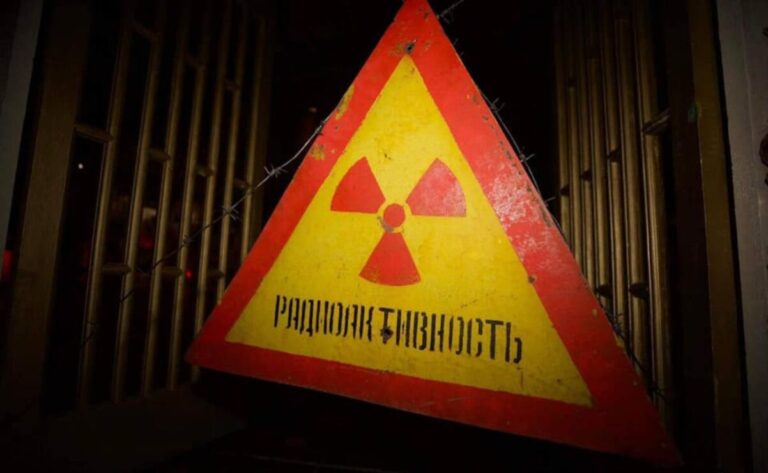
According to reports from CNN, BBC, and Reuters, the attack was surgical. At least four structures were damaged or destroyed, including drone assembly units. The International Atomic Energy Agency (IAEA) confirmed that parts of the site under its jurisdiction were affected — although there was no radiation leakage.
Iran publicly downplayed the damage, calling it “minor.” But satellite imagery and independent sources indicate otherwise — showing visible structural devastation. Australian defense analysts noted that “the target was neutralized 100%.”
Russia: Smoke Over Yelabuga
At nearly the same time, reports emerged from Yelabuga, a city in Tatarstan, Russia — home to the Shahed drone assembly plant built with Iranian support.
What do we know?
While the Russian Ministry of Defense remained silent, local residents posted videos showing explosions and smoke, and described a large military presence around the site. Ukrainian officials confirmed the strike, claiming the factory was “taken out of operation.”
Why These Targets?
The Shahed drone is more than a weapon. It is a symbol of asymmetrical warfare — inexpensive, accessible, and designed to overwhelm air defenses.
Striking these production sites achieves multiple goals:
- Disrupting the drone supply chain;
- Weakening Russia’s and Iran’s military logistics;
- Undermining the credibility of the Russia-Iran military alliance.
This is not just battlefield strategy — it’s geopolitics in action.
Was This Coordinated?
Although no nation officially claimed responsibility, the patterns suggest deliberate synchronization:
- Identical timing;
- Precision targeting of production hubs;
- Disruption of both the origin (Iran) and assembly line (Russia).
This looks like a calculated warning: You build them, we’ll find you.
Revelant




What It Means for Ukraine
For Ukraine, this could mark a tactical turning point. If drone supplies are interrupted, even slightly, it would:
- Reduce pressure on air defenses;
- Limit attacks on critical infrastructure;
- Give time and space for reorganization.
Still, strategically, this is just one battle in a longer war.
What’s Next?
Iran’s response has so far been restrained, but officials are already talking about their “right to respond”. Russia, as usual, remains silent — but each successful strike exposes new vulnerabilities.
Possible outcomes:
- Iran may increase military cooperation with Russia — supplying more drones, parts, or even missile systems;
- Russia could escalate air attacks, particularly using remaining Shahed stock;
- The West might impose further sanctions or expand intelligence cooperation to disrupt future drone logistics.
These attacks are more than just destruction of infrastructure. They mark a shift in the rules of engagement. No territory — not even deep within Russia or Iran — can be considered immune from targeted retaliation.
This is not only about defending Ukraine. It’s about rewriting the boundaries of global conflict. And in every strike, there is a deeper message: impunity has limits.
About the Author