Web 2.0: Drones Launched from Grain Trucks, Armored Train Destroyed, and Chemical Plant Exploded
In June, Ukraine’s drone warfare strategy entered a new phase. After Operation “Web” — which saw dozens of Russian aircraft destroyed or damaged — Russian Telegram channels began referring to a sequel: “Web 2.0.” This time, the script had changed: not trucks, but grain haulers; not merely disruption, but a targeted strike on a military convoy. Simultaneously, a strategically important chemical plant in Russia’s Tula region was also hit. Here’s what we know — and why it’s more than just a tactical success.
What happened?
According to both Ukrainian and Russian sources, on the night of June 7:
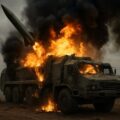
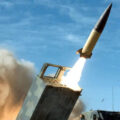
- Ukrainian drones attacked a Russian armored convoy traveling by railway;
- The drones were launched from disguised mobile platforms — specifically grain trucks — making early detection nearly impossible;
- Ukraine’s Southern Defense Forces confirmed that 13 tanks and over 100 pieces of equipment were destroyed.
Russian media referred to the strike as a “repeat of Web,” emphasizing that this is no longer a one-off operation, but part of a systemic strategy.
Why does this matter?
First, it shows the adaptability and ingenuity of the Ukrainian Armed Forces. This is not just warfare — it’s a reinvention of warfare: with new logistics models, camouflage tactics, and customized scenarios that target Russian vulnerabilities.
Second, hitting a railway convoy goes straight for the jugular of Russian logistics. While individual pieces of equipment might be replaceable, destroying the organized systems that deliver them creates real delays — and reduces combat readiness on the front.
The strike on the Azot chemical giant
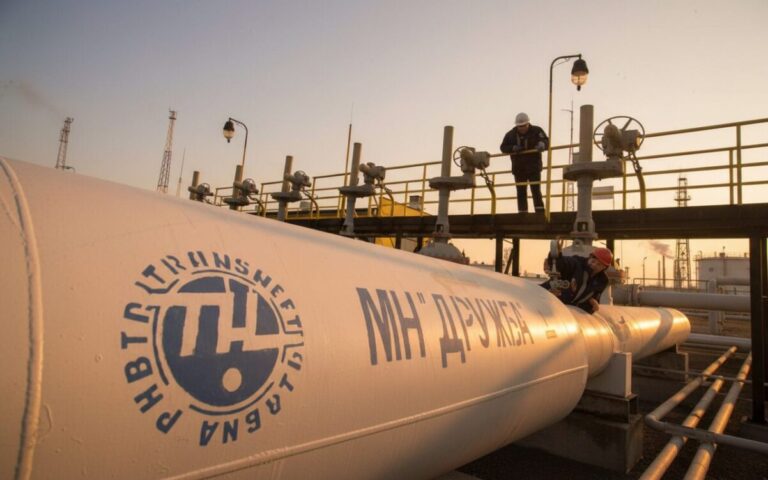
Around the same time, Russian state media reported a fire at the Azot plant in Tula — the country’s largest producer of ammonia and nitric acid. These chemicals are essential for manufacturing explosives, including artillery shells.
The strike occurred at night. Eyewitnesses recorded an explosion followed by a massive fire. Preliminary reports indicate that the nitric acid production facility was hit.
Even if Russian officials deny it was a targeted attack, the damage, the scale of the fire, and Telegram channel chatter all point to a drone operation. This was not a front-line strike — it hit deep behind Russian lines, at the core of its defense industry.
Web is no longer an exception
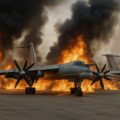
The success of the first “Web” operation earlier in June stunned not just Russian media, but also Western analysts. Drones launched inside Russia — including from trucks — reportedly destroyed up to 41 military aircraft, mainly Tu-22 and Tu-95 bombers.
That figure — nearly a third of Russia’s strategic aviation — delivered a major blow to Moscow’s image of invulnerability. The strike didn’t come from the front or the skies, but from within. And “Web 2.0” confirms it: Ukraine can adapt, repeat, and expand such operations.
Revelant




What do we know about potential retaliation?
Several pro-Russian sources claim that Moscow is preparing a large-scale retaliatory strike on Ukraine: up to 500 drones, Kalibr cruise missiles, and strategic bombers (Tu-22s and Tu-95s) allegedly stationed at Engels and Olenya airbases.
No official confirmation has been issued. Still, Ukraine’s Armed Forces and Air Command urge citizens to pay special attention to air raid alerts in the coming days.
“Web 2.0” is not just another drone strike. It’s a clear message: Russia’s security is conditional — and Ukraine now has not just the tools, but the strategic mind to rewrite the rules of war.
Destroying military hardware, targeting chemical production, and triggering psychological tremors behind enemy lines — all of this is part of Ukraine’s evolving strategy: intelligent, preemptive, precise.
And that kind of strategy is the real shield for our cities, our people, and our future.
About the Author